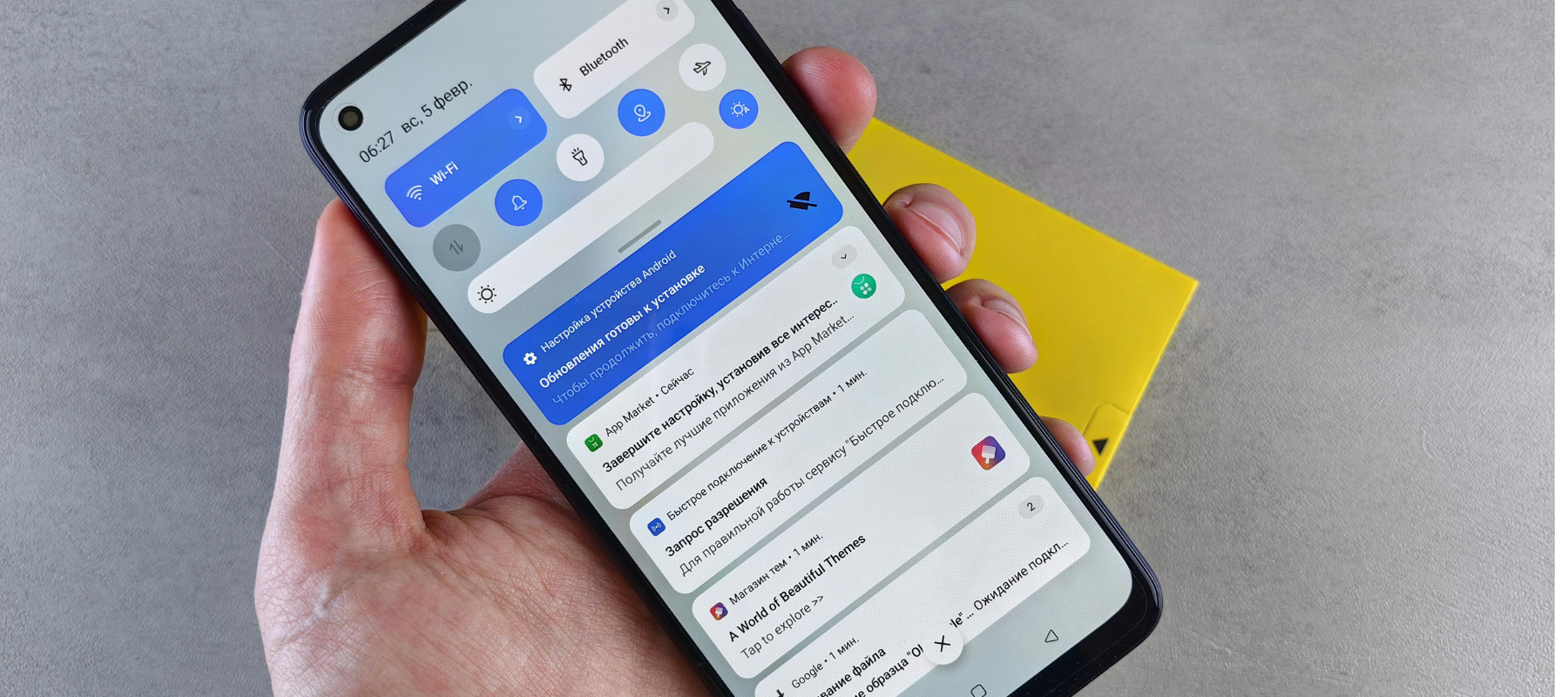
In today’s workplace, the initial promise of technology was clear: instant communication tools and cloud-based collaboration would optimize our time, reduce operational friction, and free us from administrative burdens so we could focus on what truly matters. However, the reality in modern organizations paints a diametrically opposite picture. Entire teams find themselves caught in a whirlwind of intermittent notifications, back-to-back virtual meetings, and the unspoken expectation to respond immediately to any message on platforms such as Slack, Microsoft Teams, or corporate email.
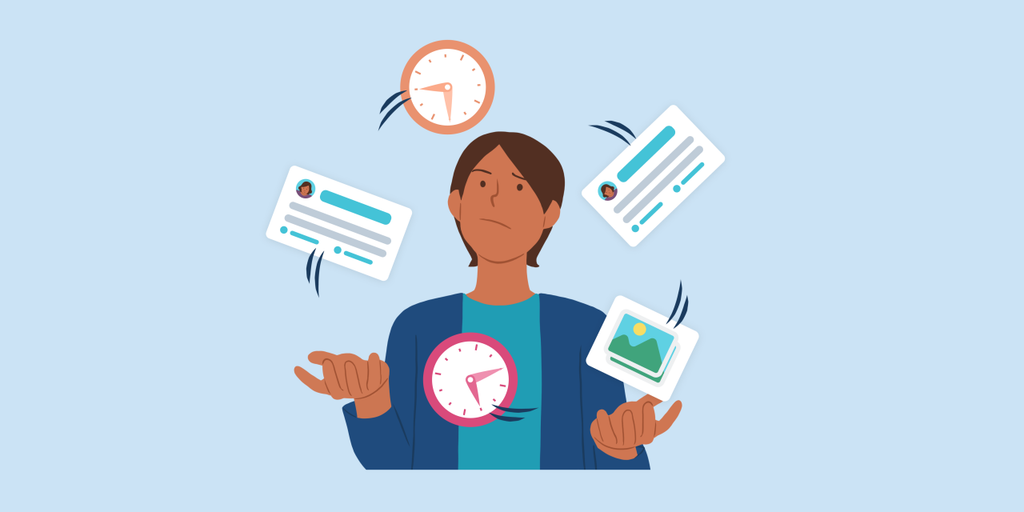
This phenomenon has given rise to a silent yet devastating cognitive crisis for productivity and mental health: exhaustion from chronic interruptions and context-switching syndrome. When a professional’s attention is fragmented every few minutes by superficial digital stimuli, the capacity for deep work, architectural creativity, and complex problem-solving fades away.
Throughout this technical and operational analysis, we will examine the neurological foundations of context switching, the economic impact of notification fatigue on businesses, and the architectural and management strategies that enable us to regain full control over our time and attention.
1. The Anatomy of Context Switching and Its Hidden Cost
To understand why the constant stream of notifications undermines productivity, we need to examine how the human brain processes information. Unlike a modern computer processor with multiple cores dedicated to parallel execution (multithreading), the human brain operates sequentially when performing tasks that require conscious attention.
The "cost of reorientation" (Attention Residue)
When a software engineer, project manager, or analyst is immersed in a cognitively demanding task (such as designing an algorithm, drafting a technical specification, or debugging a block of code) and receives an instant notification, their mind is forced to break focus abruptly.
Research in cognitive psychology has shown that, after an interruption, the brain does not immediately resume its previous task. There is a phenomenon known as “attention residue”: a significant portion of the brain’s capacity continues to dwell on the previous interruption for several minutes after returning to the main task. If notifications occur every six or eight minutes—as is often the case in hyperconnected offices—the professional never reaches a state of deep concentration, operating instead in a permanent state of superficial cognitive fatigue.
2. The Impact on Business: From Asynchronous Collaboration to Institutionalized Distraction
The problem has escalated from a personal inconvenience to a financial burden for corporations. Institutionalized false urgency prioritizes immediacy over the quality of work.
- The Tyranny of the “Available” (Always On): Corporate collaboration platforms foster a toxic culture of constant virtual presence. Responding in less than two minutes has become an unspoken metric of work engagement, indirectly penalizing those who protect their time to carry out tasks of strategic value.
- Backlog of issues and unnecessary meetings: Because chat tools fragment projects into thousands of disorganized micro-conversations, teams end up calling additional meetings to try to align what has already been discussed in a chaotic manner across scattered channels.
3. Operational Engineering Strategies for Regaining Focus
Alleviating notification fatigue cannot be achieved through individual willpower alone; it requires a radical redesign of operational habits and team protocols.
A. Strict Asynchronous Communication Protocols
High-performing technology companies are shifting toward a culture where asynchronous communication is the default:
- Definition of Emergency Channels: Establish channels dedicated exclusively to critical production incidents (via alert systems such as PagerDuty), and prohibit the use of general chat channels for operational emergencies.
- Eliminating Push Notifications: Turn off 100% of visual and audible notifications on mobile and desktop devices for messaging apps during deep work blocks.
B. Deep Time Blocking (Time-Blocking & Focus Blocks)
Professionals should set aside non-negotiable two- to four-hour blocks in their schedules dedicated exclusively to cognitively demanding work, clearly communicating to their teams that they will not be available to respond during those periods.
4. References and Opinions from Industry Experts
To put this challenge into context from the perspective of academic research and knowledge management consulting, it is essential to review the contributions of leading global experts:
- Cal Newport, Professor of Computer Science at Georgetown University and author of *Deep Work*: Newport has consistently warned about the dangers of what he calls “hyperactive collaboration.” In his analyses published on his official website, Cal Newport Writing, he argues that reliance on real-time chat tools destroys the ability to produce high-quality work. According to Newport: “The rampant use of instant messaging tools turns knowledge workers into fragmented laborers. To restore economic productivity in the 21st century, organizations must transition to communication models based on depth and planned autonomy, not on instant reaction.”.
- Gloria Mark, Professor of Computer Science at the University of California, Irvine (UCI), and author of *Attention Span*: As one of the world’s most renowned researchers in the study of digital fatigue and human attention, Mark has rigorously documented that the average worker is interrupted every three minutes and takes an average of more than 23 minutes to regain their original focus after a distraction. In her statements and research notes compiled at the UCI Donald Bren School of Information and Computer Sciences, Mark notes: “Our research shows that the fragmentation of attention not only drastically reduces productivity but also directly increases levels of stress, frustration, and chronic mental exhaustion in the modern workplace.”.
- Tiago Forte, Knowledge Management Expert and Author of *Building a Second Brain*: In his guides on productivity and optimizing digital workflows published on Forte Labs, Forte emphasizes that the key to combating digital noise is not to work faster, but to create external information storage systems that reduce cognitive load. According to Forte: “When you rely on your biological memory to keep track of hundreds of fragmented messages across multiple apps, you overload your mental bandwidth. We need a second brain that captures information asynchronously, allowing us to tune out the noise and focus on deep work.”.
5. Conclusions
Notification fatigue and constant context-switching syndrome are the greatest silent enemies of innovation and mental clarity in today’s digital age. Treating human attention as an infinite resource is an unsustainable architectural flaw for both individuals and organizations.
By establishing clear boundaries in communication channels, adopting asynchronous communication as the norm, and safeguarding dedicated deep-work periods, professionals can regain control of their cognitive autonomy and transform technology from a constant source of stress into a true catalyst for intellectual performance.
- 👉 Find the link to subscribe to our official Telegram channel at the bottom of this page to join the community and stay connected.
Leave a Reply