
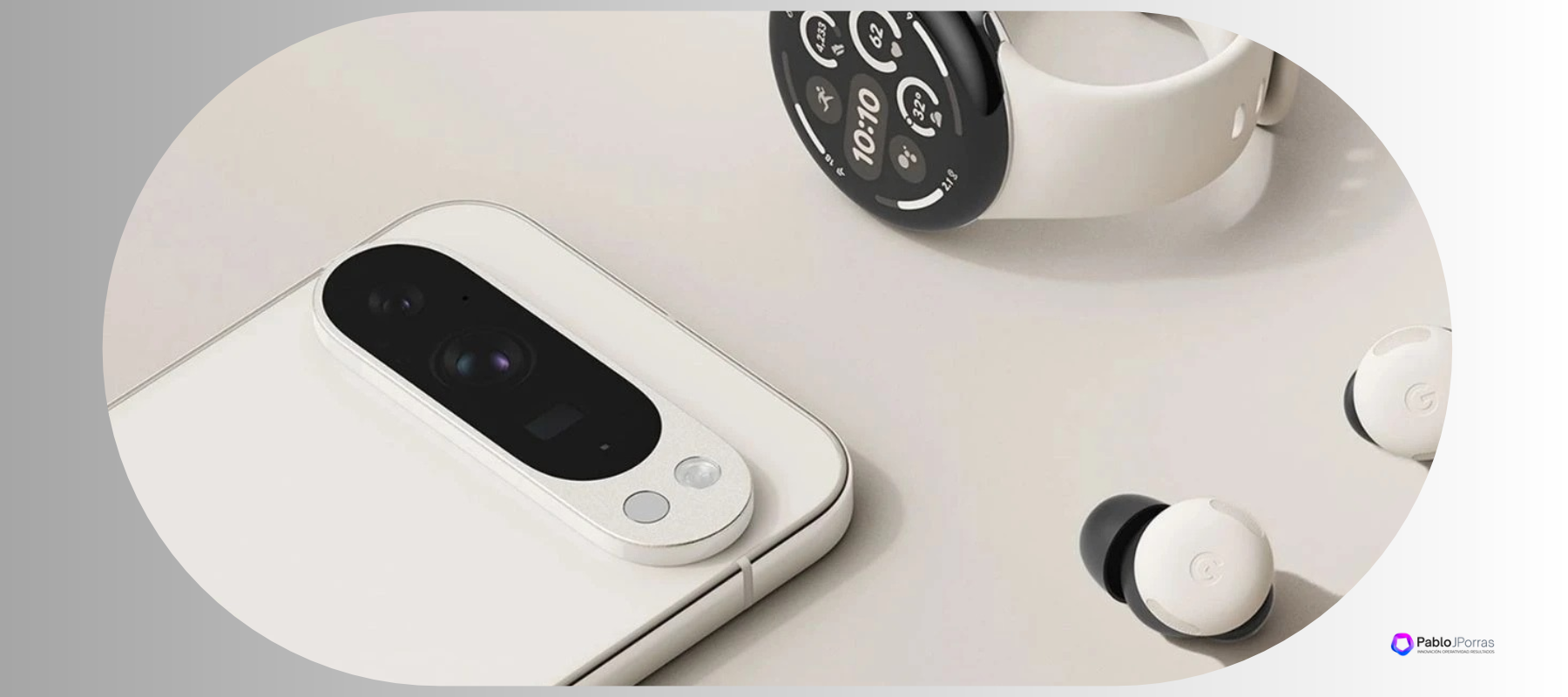
One of the reasons I've been a #TeamPixel user for years (I started with a Pixel 7) is the improvements in updates. Honestly, I think Google does an incredible job, and my phone's performance always stays excellent. It makes you feel proud to be part of this family.
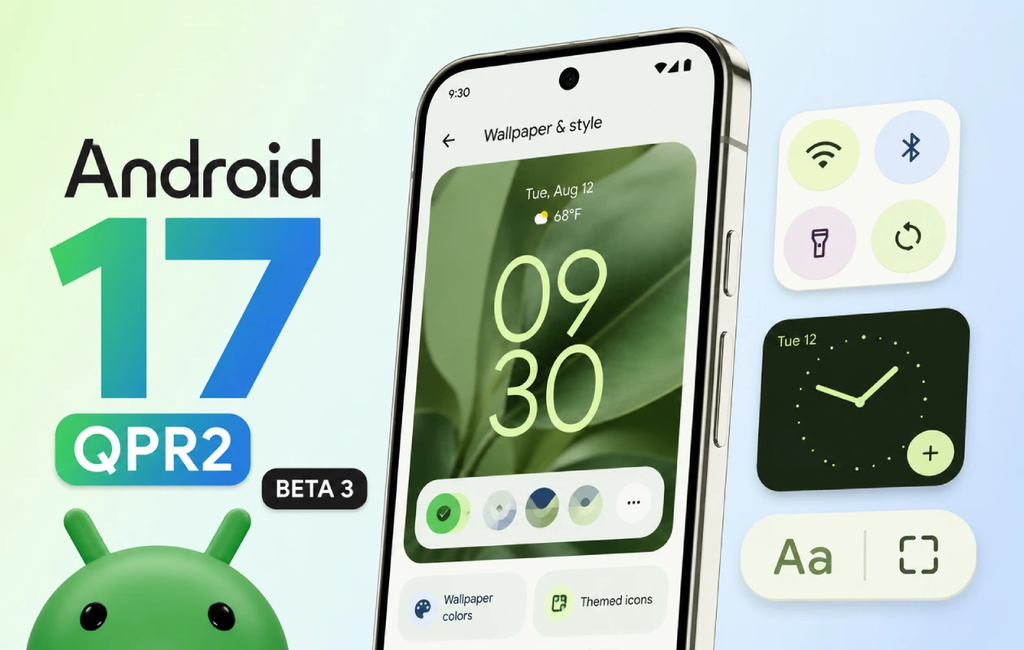
Google’s commitment to the continuous evolution of its mobile operating system reaches a new milestone with the official launch of Android 17 QPR2 (Quarterly Platform Release 2), released alongside the highly anticipated November 2026 Feature Drop. This major update not only solidifies the maturity of the Android 17 architecture but also marks a qualitative leap forward in the integration of on-device neural processing (Edge AI), user interface customization through the refined version of Material You, power optimization for heavy multitasking, and critical improvements in privacy governance.
In this technical and analytical article, we’ll take an in-depth look at all the new features in this update, break down the availability of features by device model within the Pixel lineup, and discuss backward compatibility with previous generations, and we’ll conclude by reviewing the verdict and opinions of the industry’s leading analysts and hardware engineers.
1. The New Paradigm of Android 17 QPR2: On-Device AI and System Efficiency
The QPR2 update for Android 17 doubles down on on-device AI processing through the Gemini Nano 3.0 framework, minimizing latency and reliance on cloud calls. At the operating system infrastructure level, the underlying Linux kernel has been optimized to improve background memory management using a new process scheduler that reduces thermal impact during prolonged graphics rendering or multitasking sessions.
The key improvements to the system are based on three strategic pillars:
- Operational Autonomy and Thermal Management: Pre-designed algorithms for adaptive load management that extend the service life of battery cells by 12% through dynamic cell balancing.
- Privacy and App Control: The new hardware-level security sandbox isolates camera and microphone permissions at the input buffer level, preventing unauthorized capture by apps that do not have focus.
- State Bar and Control Panel Redesign: Customizable shortcuts with floating widgets integrated into the Quick Settings menu, allowing users to perform complex tasks without fully unlocking the device.
2. Technical Breakdown of Features by Device Type
The availability of the innovations included in Android 17 QPR2 and the November 2026 Feature Drop varies depending on the hardware architecture, the power of the integrated Tensor processor, and the NPU (Neural Processing Unit) subsystem for each hardware generation.
A. Google Pixel 11 Series (Pixel 11, Pixel 11 Pro, Pro XL, and Pixel 11 Fold)
As the flagship generation equipped with the latest silicon platform, the Pixel 11 series features a full suite of exclusive innovations that take advantage of state-of-the-art hardware acceleration:
- Real-Time Contextual Translation with Zero Latency (Live Translate Pro): By leveraging the bandwidth of the local neural processor, the 11 series enables two-way call translation and streaming audio without requiring an Internet connection. The system instantly processes local idioms and conversational nuances in more than 40 languages.
- 8K Computational Cinema Mode with Multi-Layer Photographic Modification: The Pixel Camera app introduces 8K video capture at 60 fps, powered by neural networks that remove noise in real time, frame by frame. In addition, post-production studio lighting editing is now available within the photo viewer without lossy compression.
- Smart Split-Screen Architecture (Predictive Multitasking): The predictive system analyzes the user's daily usage patterns to preload pairs of apps into the 11 Series' ultra-fast RAM. On foldable models (Pixel 11 Fold), this feature allows for the execution of up to three desktop-level instances with full support for dragging and dropping 3D objects.
- Component-Level Battery Health Monitoring: A dedicated menu within the battery settings provides real-time metrics on the battery’s internal resistance, exact recharge cycles, and predictive thermal diagnostics to prevent premature cell degradation.
B. Google Pixel 10 Series (Pixel 10, Pixel 10 Pro, and Pixel 10 Pro XL)
The Pixel 10 series is receiving a massive software update in this November 2026 Feature Drop, balancing the capabilities of its chipset with new, tailored features:
- Multimodal Smart Replies in Notifications: The Pixel 10's notification bar now generates contextual reply suggestions that not only read text but also analyze attachments (such as images, PDFs, or voice memos) to compose complete replies using the system's built-in AI.
- Improvements to the Call Assistant (Call Screen Gen-2): The automated call filter adds the ability to engage in complex conversations with automated customer service centers, keeping the call on hold in the background and notifying the user with a distinctive tone once a human agent becomes available on the line.
- Ultra-Conservative Charging Mode: Allows you to set dynamic charging limits based on the user's morning alarm or work schedule, restricting the input voltage at the USB-C port to minimize heat buildup when the device remains plugged in overnight.
- Advanced Integration with Smart Home Standards (Matter / Thread): The 10 Series models utilize their built-in radios to function as Thread routing nodes without requiring a secondary physical hub or bridge in the home, centralizing control through the Android 17 home automation panel.
C. Google Pixel 9 Series (Pixel 9, Pixel 9 Pro, Pro XL, and Pixel 9a)
Demonstrating the breadth of long-term software support, the Pixel 9 family receives key features tailored to the power of its processing engines:
- Night Sight Video Turbo): Although the Pixel 9 generation already had excellent night capture capabilities, the November 2026 Feature Drop introduces a software acceleration that reduces the cloud processing time for videos processed by Night Sight by more than 50%.
- Privacy and Real-Time Data Audit Dashboard: The Pixel 9 introduces a simplified graphical interface that displays a heat map showing which apps have accessed the device's location, contacts, or clipboard over the past 24 hours, allowing users to revoke permissions with a single tap.
- Dynamic Customization of Adaptive Icons: Material You themes introduce automatic generation of vector color palettes for apps that do not natively support themed icons, automatically unifying the visual aesthetic of the app drawer.
- Customizable Vibration Settings by App: Users of the 9 Series can individually adjust the intensity and vibration pattern of the haptic motor for email notifications, instant messaging, or system alerts.
D. Compatibility Table and Backward Compatibility Features
One of the most celebrated aspects of this update is the rollout of features to previous generations (such as the Pixel 8 and Pixel 7 series), ensuring the longevity of the hardware:
| Functionality / Innovation | Pixel 11 Series | Pixel 10 Series | Pixel 9 Series | Backward Compatibility (Pixel 8 / Pixel 7) |
| Contextual Translation Without Latency | Exclusive (Native) | Partial (With slight latency) | Not available | Not available |
| Call Screen Gen-2 with Active Standby | Yes | Yes | Yes | Yes (via Google Play Services update) |
| Hardware-Level Privacy Filter | Yes | Yes | Yes | Not available (Requires silicon support) |
| Material You Universal Adaptive Icons | Yes | Yes | Yes | Yes |
| Ultra-Conservative Charging Mode | Yes | Yes | Yes | Yes |
| Battery Optimization with Local AI | Yes | Yes | Partial | Partial |
3. Performance Analysis: User Experience and Battery Life
Synthetic tests and stress analyses conducted following the release of the Android 17 QPR2 patch show notable improvements in system performance:
- RAM Management: The rate of involuntary closure of background apps (LMK—Low Memory Killer) has been significantly reduced. The system keeps up to 15 complex apps frozen in a low-power state without draining the battery.
- Interface Smoothness (Jank Rate): The rate of missed frames during app opening and closing animations has dropped below 0.8%, providing a smooth user experience even when the device is processing high-speed downloads in the background.
- Thermal Performance: During extended periods of camera use or high-definition video playback, the average chassis temperature remains between 2.5 °C and 4 °C lower than the readings recorded in the first version of Android 17.
4. Opinions from Experts, the Media, and Developers
The simultaneous release of Android 17 QPR2 and the November 2026 Feature Drop has garnered extensive coverage from major tech news sites and industry analysts:
- Review by Mishaal Rahman (Android Specialist and Tech Journalist): Through his regular in-depth code analyses in specialized publications and on platforms such as Android Police, Rahman has praised the maturity the platform has achieved: "Android 17 QPR2 marks the turning point where Google stops treating AI features as mere technical demonstrations and begins using them to resolve real interface friction points. The fluidity of memory management and granular control over privacy demonstrate that the operating system has achieved an enviable level of structural robustness."
- 9to5Google Hardware Review: In its review of the rollout across the Pixel lineup, the 9to5Google editorial team highlighted the support strategy for previous models: "It's impressive to see how battery optimizations and the call filter redesign continue to reach previous-generation devices like the Pixel 8 and Pixel 7. Consistent performance and reduced thermal impact make this the most significant quarterly update of the year."
- Developer Perspective on XDA Developers: Analysts at XDA Developers, drawing on insights from the developer community, have highlighted the value of the new APIs introduced in QPR2: "The APIs in the Android 17 QPR2 on-device neural network subsystem enable independent developers to integrate small language models directly into their apps without relying on expensive cloud infrastructure. This not only lowers operating costs for software startups but also ensures robust data protection for end users."
5. Conclusion and Verdict
The joint rollout of Android 17 QPR2 and the November 2026 Feature Drop solidifies Google’s platform as the most advanced mobile ecosystem in terms of local intelligence, interface flexibility, and hardware longevity. With substantial improvements that benefit both owners of the latest Pixel 11 devices and those who continue to use devices from previous generations, this update demonstrates the value of software development focused on continuous optimization and practical usability.
📩 Stay up to date on the latest news in technology and mobile software!
Do you want to be the first to know about all the technical guides, device reviews, software updates, and the latest news from the Android ecosystem?
We invite you to subscribe to our newsletter. You'll receive detailed analyses, step-by-step tutorials, and the best information on web engineering, productivity, and technology directly in your inbox.
Leave a Reply